
Ensuring the 340B Program Delivers on Its Promise

Ensuring the 340B Program Delivers on Its Promise
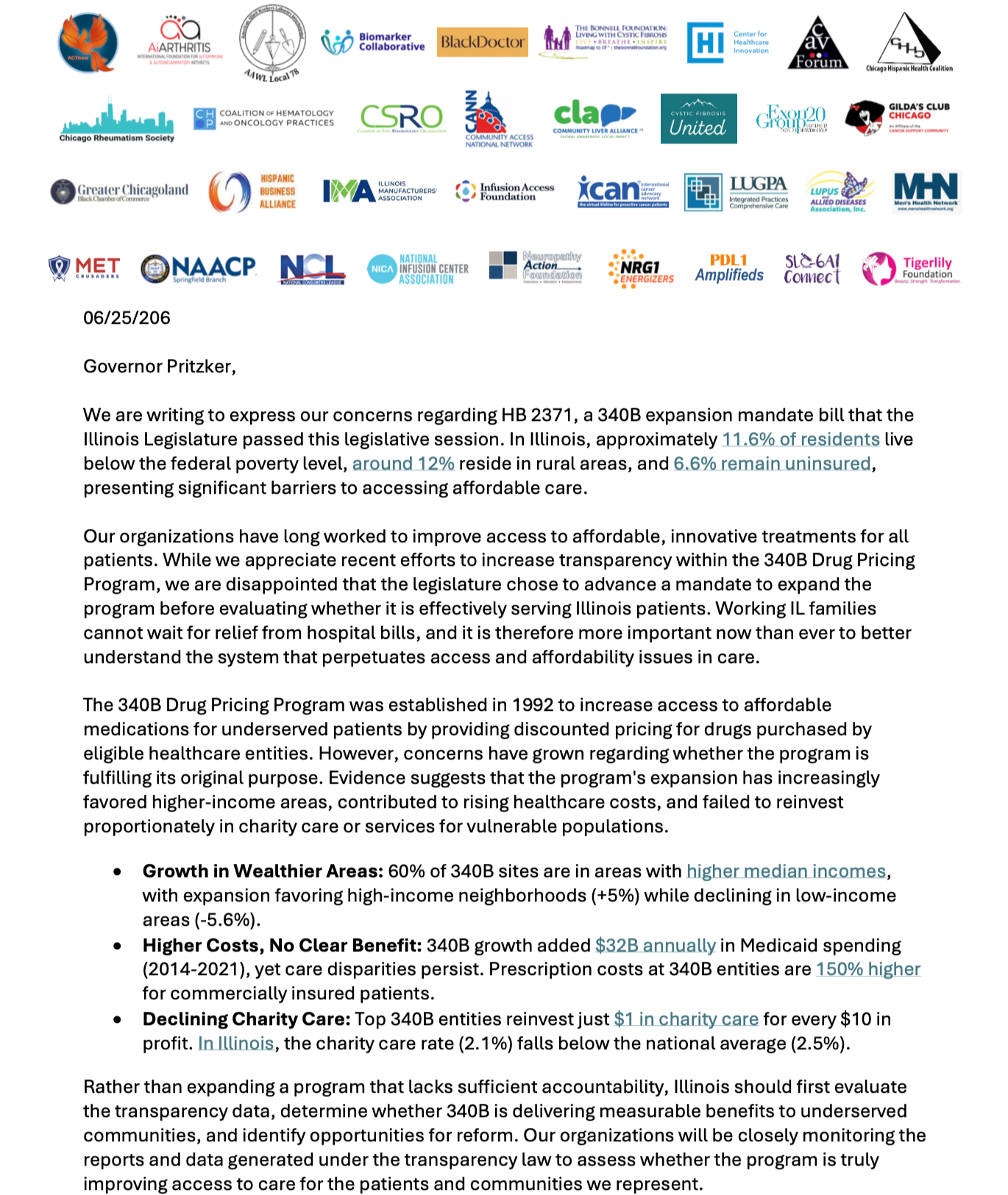
For more than three decades, the 340B Drug Pricing Program has served an important purpose: helping healthcare providers stretch limited resources and improve access to care for vulnerable patients. Created in 1992, the program allows eligible healthcare organizations to purchase outpatient medications at discounted prices, with the expectation that those savings will be used to support underserved communities and strengthen patient care.
Today, however, the healthcare landscape looks very different from when the program was first established. The 340B program has grown significantly in both size and complexity, raising important questions about whether it consistently achieves its intended goals and whether patients fully benefit from the savings it generates.
As healthcare leaders, innovators, providers, and patients work to improve outcomes and reduce disparities, it is essential that every healthcare investment and incentive program be evaluated based on measurable impact. The same principle should apply to 340B.
Transparency is a critical first step. Policymakers, healthcare stakeholders, and patients deserve a clearer understanding of how 340B savings are being used, where program growth is occurring, and whether resources are reaching the communities most in need. Greater visibility into program operations can help identify best practices, highlight successful patient-centered investments, and ensure that the program remains aligned with its original mission.
Accountability is equally important. Programs designed to improve access to care should be able to demonstrate how they are advancing patient outcomes, expanding services, reducing barriers to treatment, and supporting underserved populations. Without clear metrics and reporting, it becomes difficult to assess whether resources are being deployed effectively or whether reforms may be needed to strengthen patient benefit. If these funds are being used appropriately and for the most in need, why are hospitals opposed to transparency?
Importantly, transparency and accountability should not be viewed as threats to the program. Rather, they are tools that can help preserve and improve it. By establishing clearer reporting standards and stronger measures of patient impact, stakeholders can build confidence that 340B resources are being used in ways that meaningfully advance health equity, affordability, and access to care.
Healthcare innovation is not limited to new treatments and technologies. It also requires modernizing programs and systems to ensure they continue to serve patients as intended. As conversations about the future of the 340B program continue, stakeholders should focus on policies that promote transparency, strengthen accountability, and prioritize measurable patient benefit.
Patients deserve a healthcare system that directs resources toward improving care, expanding access, and addressing unmet needs. Ensuring that the 340B program can clearly demonstrate those outcomes is an important step toward achieving that goal.
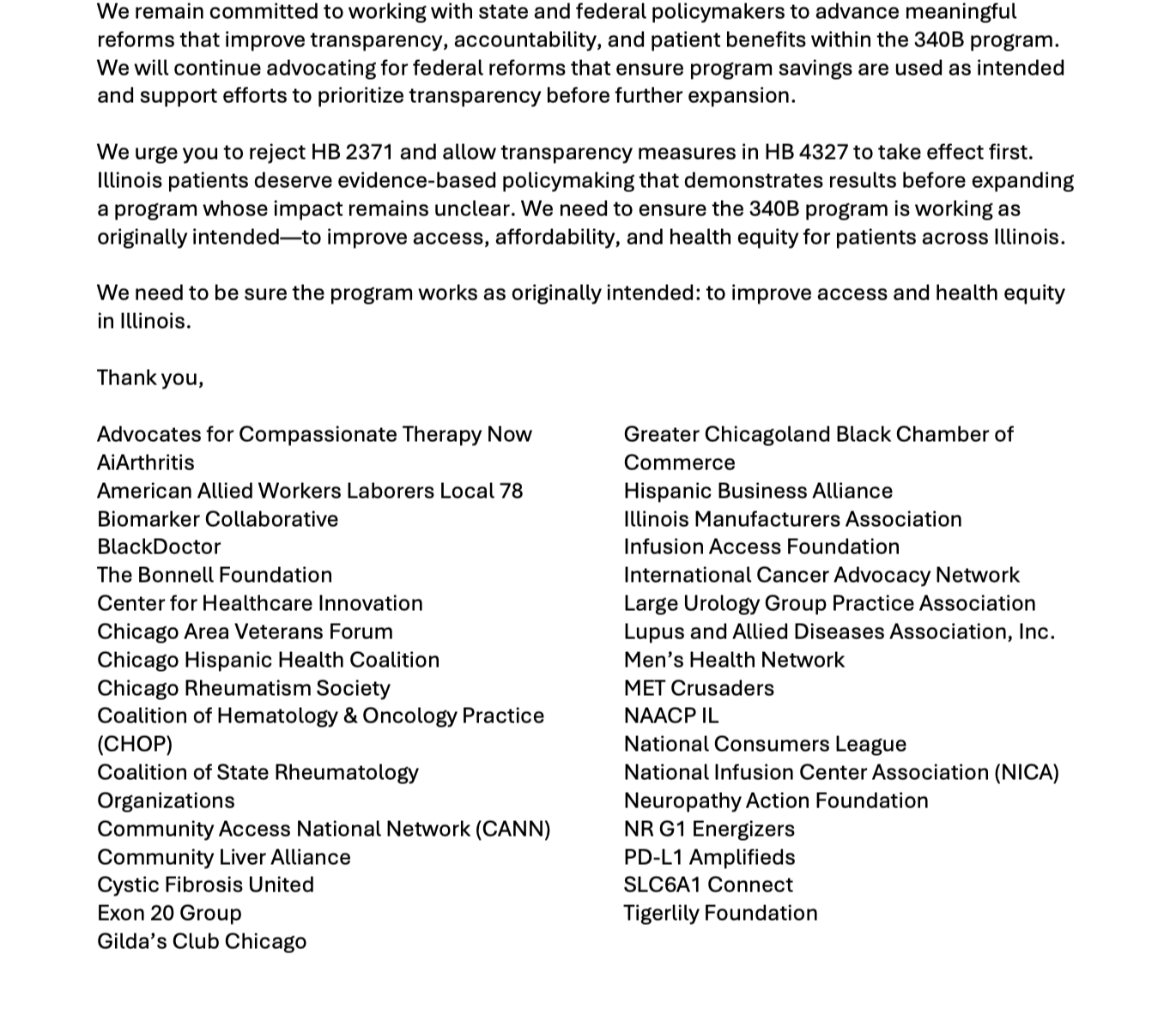
Join the advocacy

Joseph Gaspero is the CEO and Co-Founder of CHI. He is a healthcare executive, strategist, and researcher. He co-founded CHI in 2009 to be an independent, objective, and interdisciplinary research and education institute for healthcare. Joseph leads CHI’s research and education initiatives focusing on including patient-driven healthcare, patient engagement, clinical trials, drug pricing, and other pressing healthcare issues. He sets and executes CHI’s strategy, devises marketing tactics, leads fundraising efforts, and manages CHI’s Management team. Joseph is passionate and committed to making healthcare and our world a better place. His leadership stems from a wide array of experiences, including founding and operating several non-profit and for-profit organizations, serving in the U.S. Air Force in support of 2 foreign wars, and deriving expertise from time spent in industries such as healthcare, financial services, and marketing. Joseph’s skills include strategy, management, entrepreneurship, healthcare, clinical trials, diversity & inclusion, life sciences, research, marketing, and finance. He has lived in six countries, traveled to over 30 more, and speaks 3 languages, all which help him view business strategy through the prism of a global, interconnected 21st century. Joseph has a B.S. in Finance from the University of Illinois at Chicago. When he’s not immersed in his work at CHI, he spends his time snowboarding backcountry, skydiving, mountain biking, volunteering, engaging in MMA, and rock climbing.